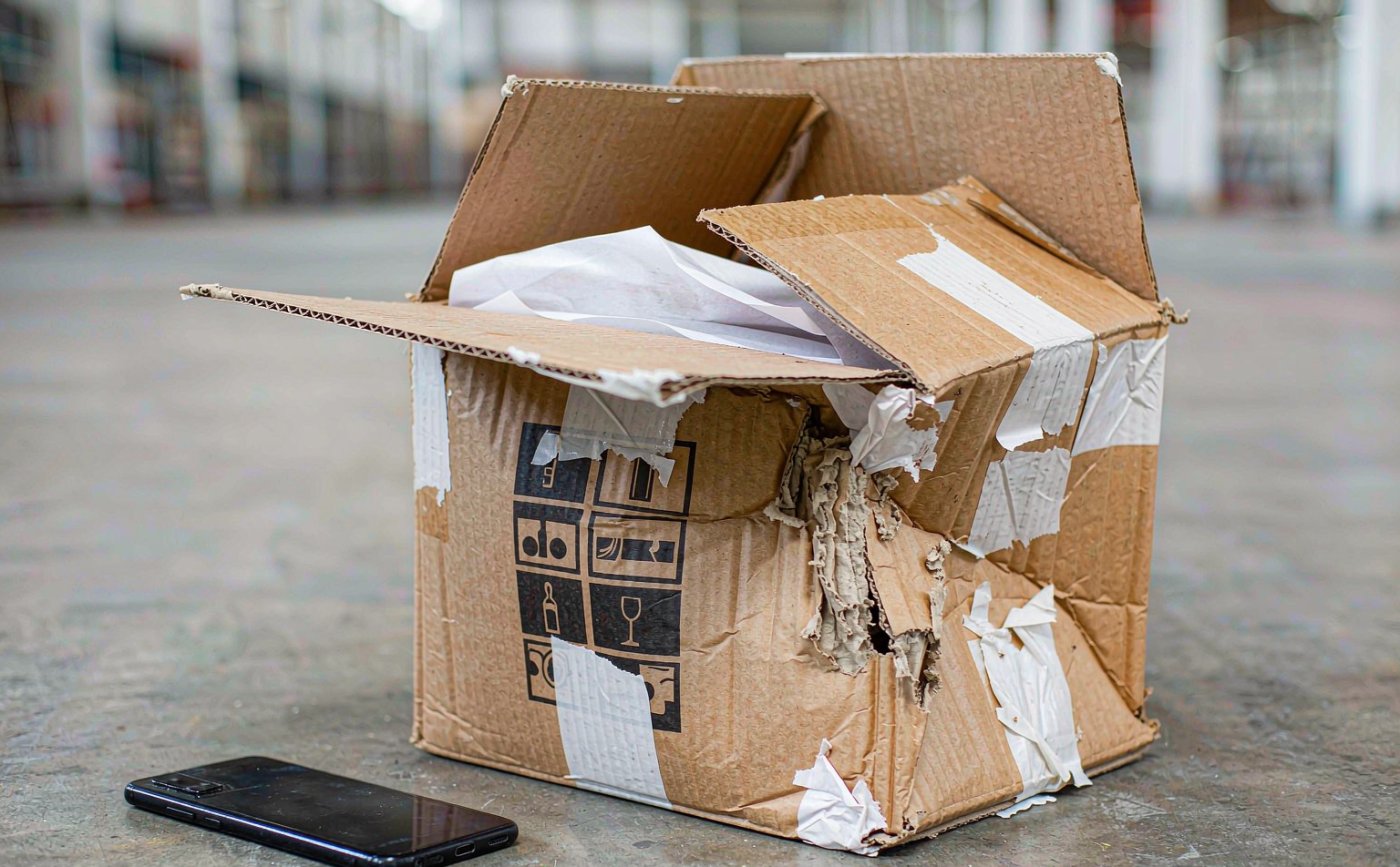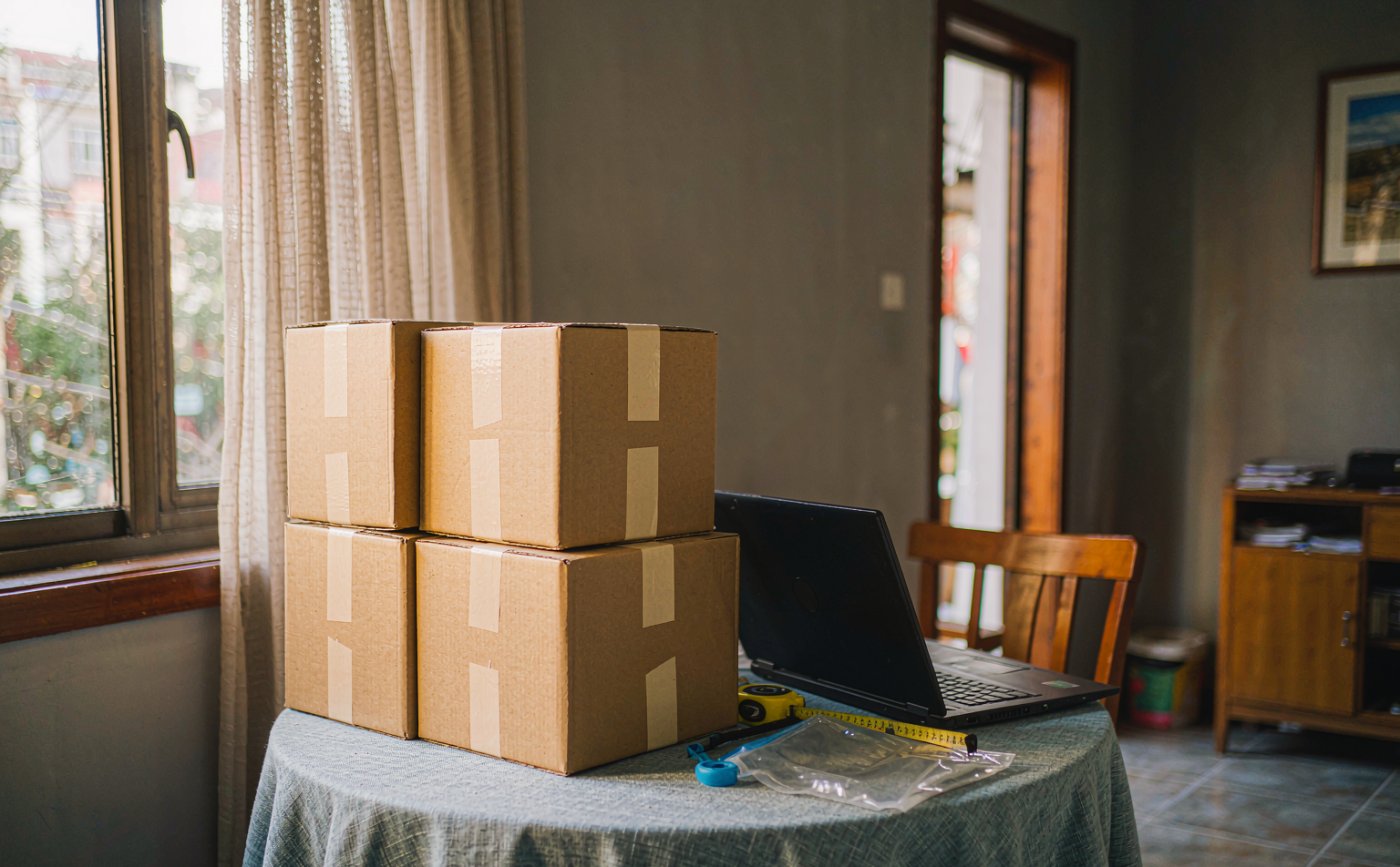
Volumetric weight is the No.1 reason consolidation bills spike. Carriers charge on whichever is greater: actual weight or L×W×H (cm) ÷ 6000. Good packing can cut the same shipment’s cost by 20%–40%.
What is volumetric weight?
Freight capacity is limited by both weight and space. A 1 kg duvet loosely boxed at 0.05 m³ counts as 8 kg volumetric — and you pay for 8 kg. Soft, bulky goods (bedding, cushions, plush toys, shoes) are the usual culprits.
The formula
Express and air: volumetric weight (kg) = L × W × H (cm) ÷ 6000; some lines use ÷ 5000. Sea LCL is usually billed by actual weight or cubic meter. Billed weight = max(actual, volumetric).
Tip 1: Strip redundant packaging
Shoe boxes, gift boxes and plastic carry cases add almost no protection yet inflate volume by up to 30%. Ask sellers to remove them before shipping to the warehouse.
Tip 2: Consolidate into fewer boxes
Every small parcel pays its own first-weight minimum. Combining orders into one box — socks inside shoes, cables inside luggage pockets — gets you a tighter, cheaper cube.
Tip 3: Compress soft goods
Vacuum bags shrink duvets, pillows and plush toys by 50%–70%. Compress first, then box: the volumetric weight drops a whole tier.
Tip 4: Distribute weight evenly
Heavy items (hardware, books) at the bottom, light ones filling the gaps on top. That minimizes total volume and prevents crush damage in transit.
Tip 5: Have support run the numbers
Once your boxes are in the warehouse, ask support to compare channels before confirming consolidation. The same box can bill at very different weights across channels.
Still have questions?
Send us your cargo details (description, weight, volume, destination city) and our team will work out the best channel and rate.